
Lead Generation: Building a Predictable Pipeline for Sustainable Growth
Lead generation is the foundation of predictable revenue growth. It's the systematic process of attracting, capturing, and nurturing prospects who have shown interest in what you offer—creating a consistent flow of opportunities for your sales team and reducing dependence on referrals or cold outreach alone.
What Is Lead Generation?
Lead generation is the process of attracting and converting prospects into individuals who have expressed interest in your product or service. It involves creating awareness, capturing contact information, and nurturing prospects through the sales funnel until they're ready to buy.

What effective lead generation includes:
- Target audience clarity → Knowing exactly who you're trying to reach and what they care about
- Valuable offers → Lead magnets that solve real problems and motivate action
- Multi-channel approach → Reaching prospects where they spend time—search, social, email, events
- Qualification systems → Separating high-intent leads from tire-kickers
- Nurture sequences → Automated and personalized follow-up that moves leads toward purchase
Why Lead Generation Matters for Predictable Growth
Without a consistent flow of qualified leads, sales teams spend time chasing unqualified prospects or waiting for referrals. Lead generation creates a predictable pipeline that can be forecasted, optimized, and scaled.
Lead generation enables data-driven decision making, reduces customer acquisition costs over time, and gives marketing teams measurable impact on revenue outcomes.
Most Effective Lead Generation Channels
The best lead generation strategy uses multiple channels working together. Different channels serve different purposes— some build awareness, others capture intent, and some accelerate consideration.
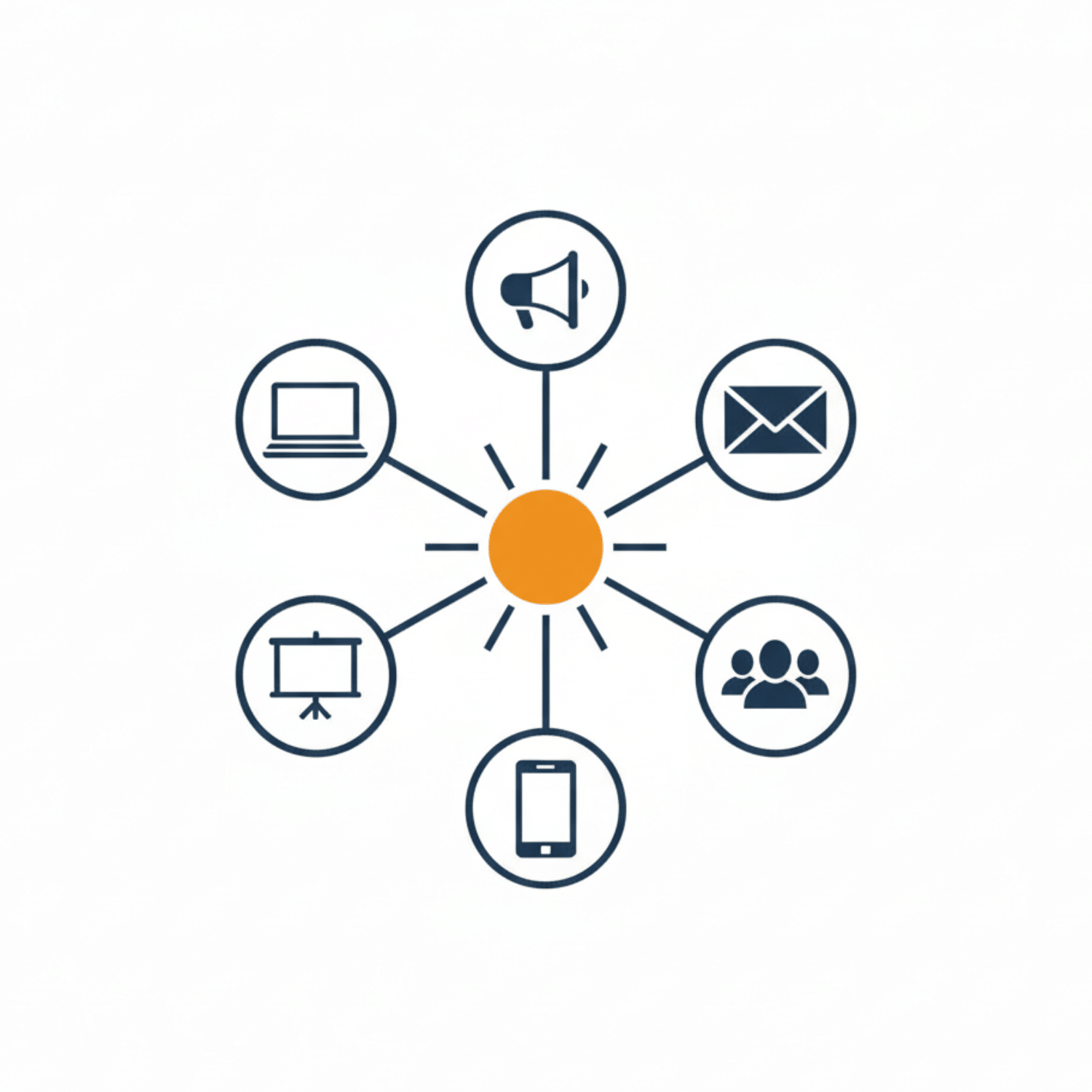
Top-performing channels:
1) Content Marketing
Blog posts, guides, case studies, and videos that attract organic traffic and position your brand as a trusted resource. Content marketing generates long-term, compounding returns.
2) Paid Advertising
Google Ads, LinkedIn, and Facebook allow you to target specific audiences with precision. Paid channels deliver immediate results and are highly measurable—ideal for testing offers and scaling what works.
3) SEO & Organic Search
Ranking for high-intent keywords drives qualified traffic without ongoing ad spend. SEO is a long-term investment that builds sustainable lead flow over time.
4) Email Marketing
Nurture campaigns, newsletters, and promotional sequences keep your brand top-of-mind and move prospects through the funnel. Email remains one of the highest-ROI channels.
5) Webinars & Events
Live or on-demand webinars create engagement opportunities and allow you to demonstrate expertise. Events—both virtual and in-person—generate high-quality leads who are actively learning about solutions.
6) Referral Programs
Incentivizing existing customers to refer new business creates a high-trust, low-cost acquisition channel. Referred leads typically convert faster and have higher lifetime value.
Lead Qualification: From Suspect to Prospect
Not all leads are created equal. Lead qualification is the process of determining whether a lead is a good fit for your product and ready to buy—ensuring sales teams focus on high-potential opportunities.
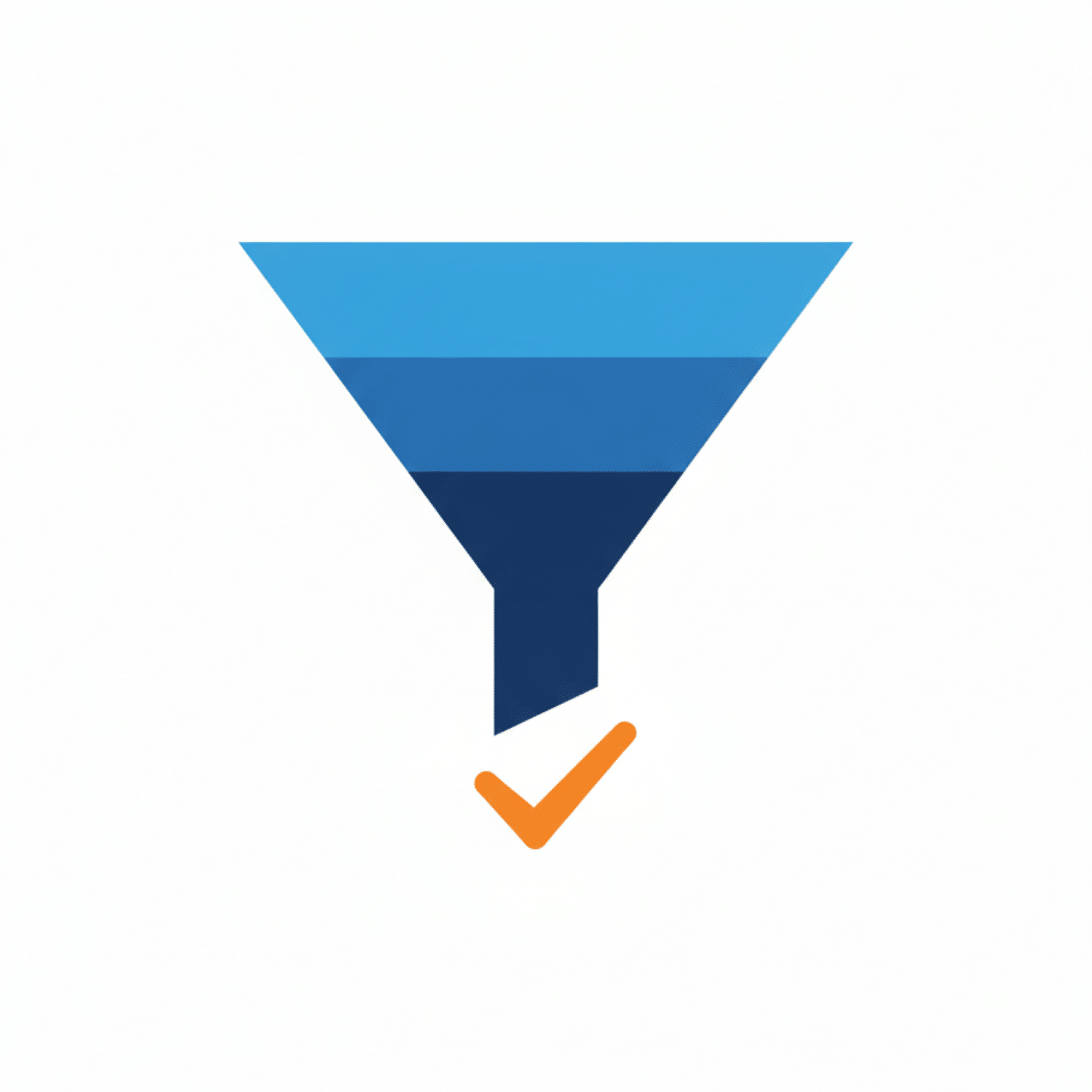
The lead qualification framework:
- MQL (Marketing Qualified Lead) → Engaged with content, fits ICP criteria, shows interest
- SQL (Sales Qualified Lead) → Vetted by sales, has budget/authority/need/timeline (BANT)
- Opportunity → Active evaluation, specific use case, formal sales process underway
- Closed-Won → Converted to paying customer
Measuring Lead Generation Performance
You can't improve what you don't measure. Effective lead generation requires tracking the right metrics— from top-of-funnel traffic to closed revenue.
Essential lead generation metrics:
- Lead volume → Total leads generated by channel and campaign
- Cost per lead (CPL) → Total spend divided by leads generated
- MQL to SQL conversion rate → Percentage of marketing leads accepted by sales
- Time to conversion → Average days from first touch to closed deal
- Lead quality score → How well leads match your ICP and intent signals
- Customer acquisition cost (CAC) → Total marketing and sales cost per new customer
- Return on ad spend (ROAS) → Revenue generated per dollar spent on advertising
Inbound vs. Outbound Lead Generation
Both inbound and outbound strategies have their place. Inbound attracts leads who find you; outbound proactively reaches prospects. The best programs use both.
| Approach | How It Works | Best For |
|---|---|---|
| Inbound Lead Generation | Attract prospects through content, SEO, social media, and ads. Leads come to you when they're ready. | Building long-term brand authority, capturing high-intent search traffic, nurturing over time |
| Outbound Lead Generation | Proactively reach prospects via cold email, LinkedIn outreach, phone calls, and direct mail. | Targeting specific accounts, accelerating sales cycles, filling gaps in inbound volume |
Who Needs a Lead Generation Strategy?
Any business that relies on new customer acquisition needs lead generation. Whether you're in SaaS, professional services, ecommerce, or consulting—if you need a predictable flow of prospects, you need lead gen systems.

Lead generation is essential when:
- You want predictable revenue → Consistent lead flow enables accurate forecasting
- You're scaling the business → Growth requires more opportunities than referrals alone provide
- Sales needs more pipeline → Your team has capacity but not enough qualified prospects
- You want lower CAC → Systematic lead gen optimizes cost per acquisition over time
- You're launching new products → New offerings need awareness and demand generation
How WebDrvn Builds High-Performing Lead Generation Systems
WebDrvn's lead generation approach combines strategy, technical execution, and continuous optimization. We build systems that generate qualified leads consistently—and improve performance month over month.
- ICP & audience research → Define who to target and what messaging resonates
- High-converting offers → Create lead magnets that provide real value and drive action
- Landing pages & funnels → Design conversion-optimized experiences that capture leads efficiently
- Multi-channel campaigns → Run coordinated efforts across paid, organic, email, and social
- Marketing automation → Implement lead scoring, nurture sequences, and CRM integration
- Performance tracking → Monitor every metric from impressions to closed-won revenue
- Continuous optimization → A/B test, iterate, and improve based on real performance data
🔹 Want a Lead Generation Audit?
At WebDrvn, we help companies build lead generation engines that deliver consistent, high-quality pipeline. If you're ready to move beyond ad-hoc campaigns and build a scalable system, let's talk.