
Google Ads in 2026: Why "Set It and Forget It" Is Costing You Money
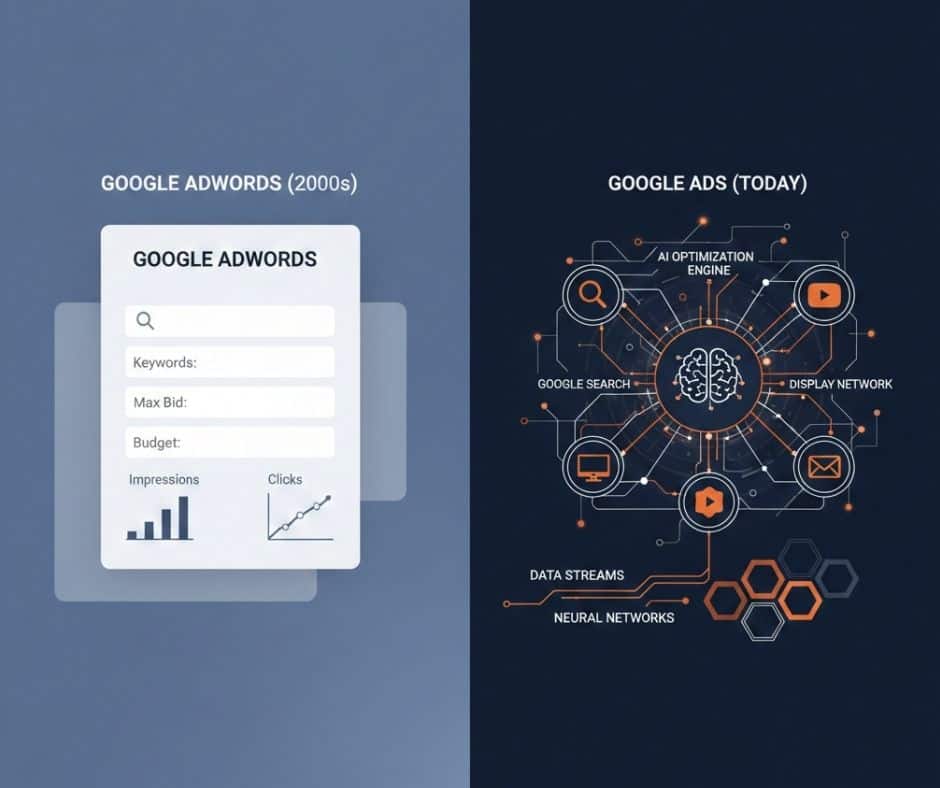
Google Ads in 2026 isn't the platform it was even a year ago—and that's exactly where many businesses are getting burned. What used to be a relatively straightforward system of keywords, bids, and budgets has evolved into a deeply automated, AI-driven ecosystem that looks easier on the surface but is more complex under the hood than ever before.
What's Changed in Google Ads
The Google Ads platform has transformed from a manual bidding system into an AI-powered advertising ecosystem that makes thousands of micro-decisions every second.

The new reality of Google Ads in 2026:
- Performance Max campaigns → Control placements across Search, Display, YouTube, Discover, and Gmail simultaneously
- AI-powered bidding strategies → Algorithms make bidding decisions in milliseconds based on real-time signals
- Audience signals layered on first-party data → Targeting goes far beyond keywords and demographics
- Responsive search ads → Testing up to 15 headlines and 4 descriptions at once
The Double-Edged Sword of Automation
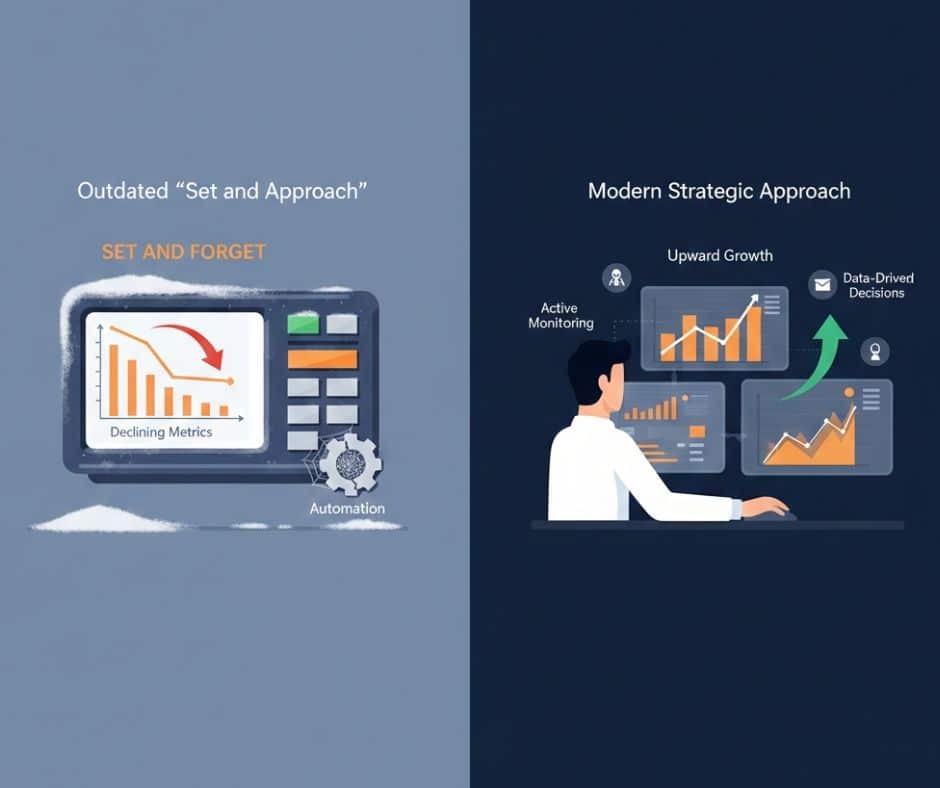
Google's automation can be incredibly powerful—when it's guided correctly. But when campaigns are launched without strategy or left on autopilot, automation quickly becomes expensive.

Done right, Google Ads allows you to:
- Reach people at the exact moment → They're searching for what you offer
- Match messaging to real buyer intent → Not generic demographics
- Scale what works → Using performance data instead of guesswork
- Drive measurable ROI → With clarity on what's actually producing revenue
Why Google Ads Requires Strategic Oversight in 2026
Automation didn't eliminate the need for expertise—it raised the bar. Today, strong Google Ads performance depends on strategic guardrails that guide the AI toward your business goals.

Strong performance now depends on:
- Quality of your audience signals → What data you feed the algorithm matters
- How conversions are defined and tracked → Not just clicks, but meaningful business outcomes
- Budget allocation based on real performance → Not evenly distributed "just because"
- Integration with your broader marketing → Campaigns don't exist in a vacuum
How WebDrvn Approaches Google Ads Differently
At WebDrvn, we don't treat Google Ads as a "traffic switch"—we treat it as a strategic growth lever. That means building campaigns around your goals, not Google's defaults.
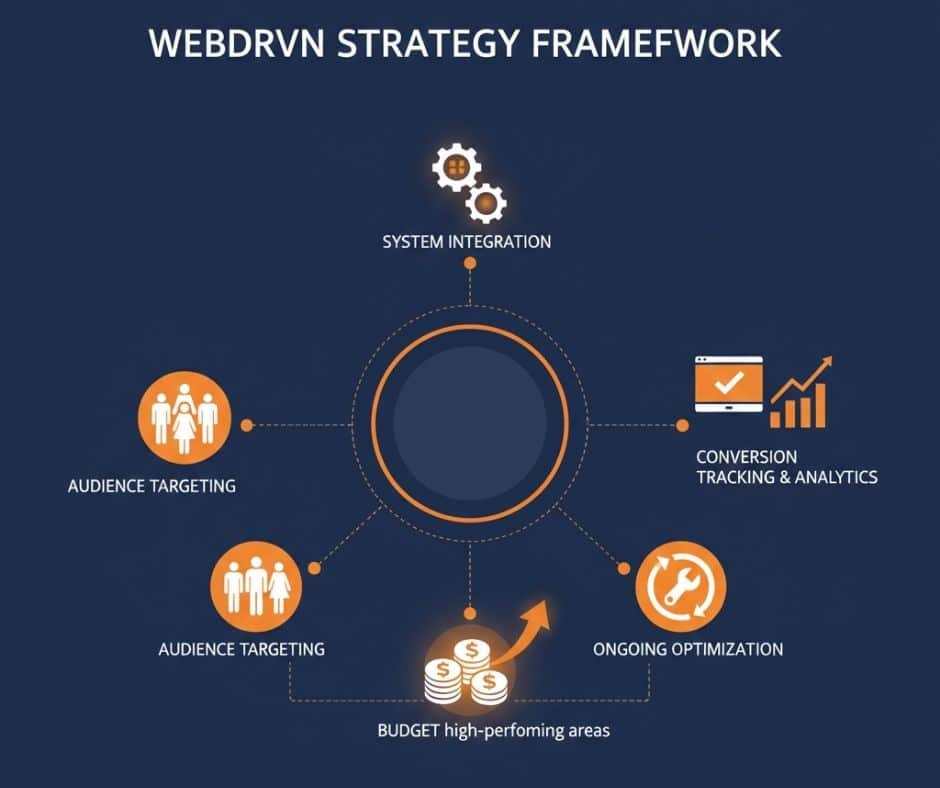
Our approach:
- Custom audience strategies → We go beyond basic demographics, using intent-based signals, remarketing layers, and first-party data to guide automation toward the right people
- Conversion tracking that actually matters → Not just clicks—but meaningful actions tied to real business outcomes, so we know what's truly working
- Ongoing optimization (not set-and-forget) → Campaigns are reviewed, tested, and refined continuously as performance data comes in
- Budget allocation based on results → Spend is shifted toward what performs—not spread evenly "just because"
- Full-funnel integration → Your Google Ads don't live in a silo. They're aligned with your website, CRM, follow-ups, and broader marketing strategy
The Platform Got Smarter. Your Strategy Needs To, Too.
Google Ads isn't broken—but the old way of running it is. In 2026, success isn't about fighting automation. It's about directing it with intention, data, and strategy.
🔹 Ready to Make Google Ads Work For You?
If you want campaigns that are built around your goals, not Google's defaults, let's talk. We'll take a look at where you are, what's holding performance back, and what a smarter approach could look like.