
Account-Based Marketing (ABM): A Strategic Shift From Leads to Relationships
Account-Based Marketing is a modern marketing strategy that prioritizes high-value accounts over high-volume lead generation. Instead of casting a wide net, ABM aligns sales and marketing around a focused list of target accounts—delivering personalized messaging, coordinated account-based advertising, and measurable pipeline impact.

What Is Account-Based Marketing?
Account-Based Marketing (ABM) is a targeted approach where marketing and sales teams collaborate to engage a defined set of priority accounts. Each account is treated as a market of one—supported by account intelligence, tailored messaging, and multi-channel campaigns.

What ABM focuses on:
- High-value accounts → Prioritize the companies most likely to generate meaningful revenue
- Buying committees → Reach multiple stakeholders, not just one "lead"
- Personalization → Match messaging to an account's needs, stage, and triggers
- Revenue outcomes → Measure engagement, pipeline, and closed-won impact
Why Account-Based Marketing Matters for Business Growth
Traditional demand generation often optimizes for volume—clicks, form fills, and low-intent leads. In complex sales cycles, that can create a disconnect between marketing activity and sales outcomes.

With ABM marketing, personalization and relevance increase engagement—while sales and marketing alignment improves conversion rates and pipeline velocity.
Core Pillars of an Account-Based Marketing Strategy
Strong ABM starts with choosing the right accounts using firmographics, intent signals, CRM history, and ICP fit. The objective is focus: fewer accounts, higher potential.
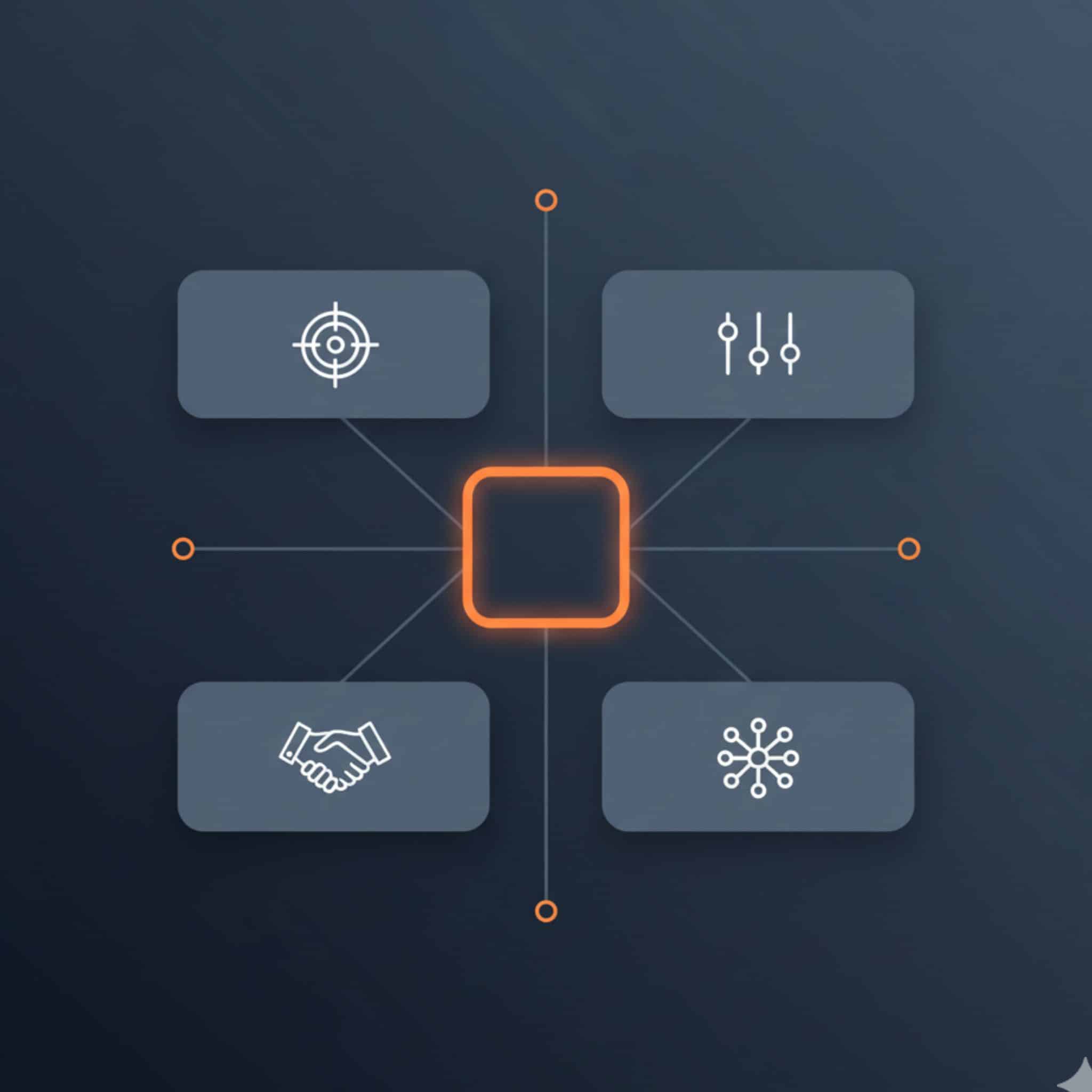
1) Account Selection & Intelligence
Strong ABM starts with choosing the right accounts using firmographics, intent signals, CRM history, and ICP fit. The objective is focus: fewer accounts, higher potential.
2) Personalization at Scale
Account-based digital marketing goes beyond "industry-based" messaging. It should reflect the account's initiatives, pain points, and buying triggers, supported by personalized landing pages, ads, email sequences, and sales enablement.
3) Multi-Channel Orchestration
ABM performs best when each channel reinforces the same narrative. This often includes LinkedIn targeting, paid search, retargeting, email nurture, website personalization, and sales outreach.
4) Sales and Marketing Alignment
Effective ABM strategy requires shared definitions, shared account lists, and shared reporting. When both teams operate from the same playbook, engagement converts into meetings—and meetings convert into pipeline.
Measuring Account-Based Marketing ROI
ABM success isn't measured by lead volume. The most meaningful ABM metrics track engagement and revenue outcomes across the account journey.
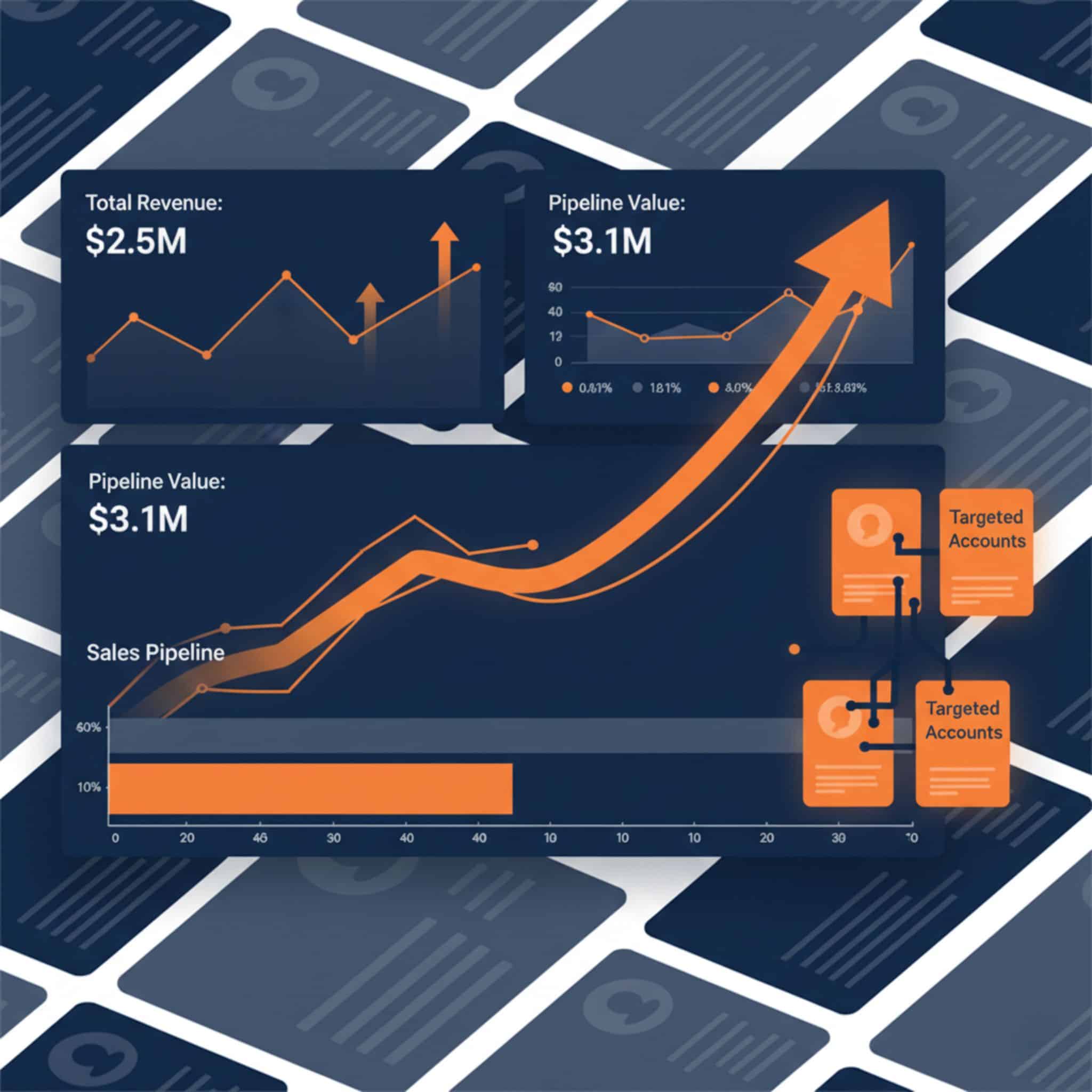
ABM metrics that matter:
- Account engagement → Site visits, content consumption, ad interactions by target account
- Meetings and opportunities created → Sales-qualified meetings, pipeline sourced or influenced
- Pipeline velocity → Faster progression from stage to stage
- Deal size and win rate → Higher ACV and better close rates within targeted accounts
- Expansion and retention → ABM isn't only acquisition—it's growth within accounts
ABM vs. Traditional Demand Generation
ABM and traditional demand gen often work best together. Demand gen builds awareness; ABM converts priority accounts with precision.

| Approach | Primary Focus | What Success Looks Like |
|---|---|---|
| Traditional Demand Gen | Broad reach, lead volume, top-of-funnel growth | Lower CPL, more MQLs, traffic increases |
| Account-Based Marketing (ABM) | High-fit accounts, buying committee engagement, pipeline outcomes | More meetings, higher win rates, larger deals, faster velocity |
Who Should Use Account-Based Marketing?
Account-based marketing is especially effective for organizations with complex buying decisions, longer sales cycles, and higher contract values. If your ideal customer profile is clear and your sales team prioritizes a defined set of opportunities, ABM can increase efficiency and ROI.
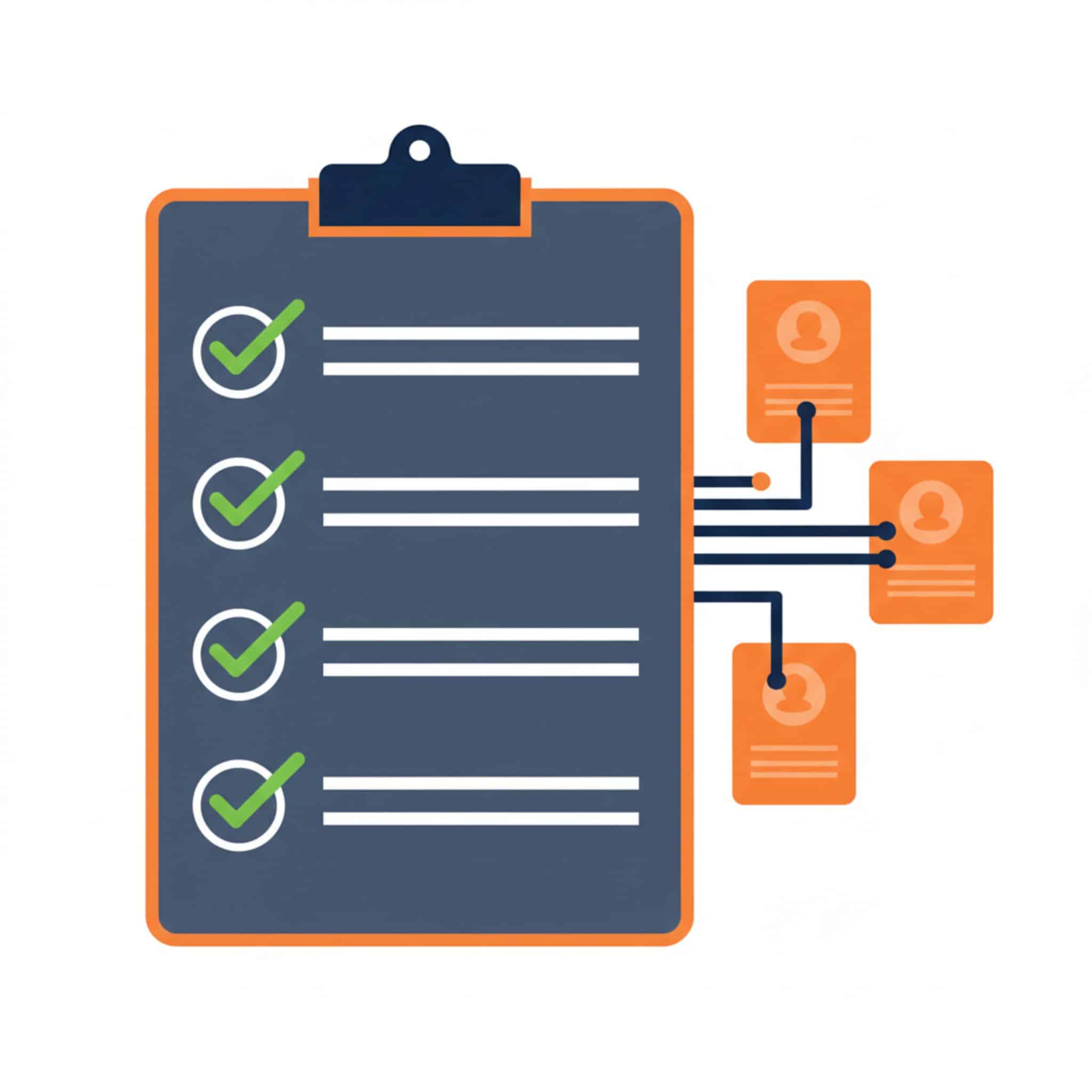
ABM is a strong fit when:
- Your sales cycle is complex → Multiple stakeholders and longer decision timelines
- Your ACV is meaningful → High-value accounts justify higher personalization
- You want better alignment → Shared targets and shared metrics across teams
- You're tired of low-quality leads → Reduce waste and focus on accounts that can actually buy
How WebDrvn Builds High-Performing ABM Campaigns
WebDrvn's ABM approach combines strategy, account intelligence, conversion-focused experiences, and automation. We engineer account-based advertising and outreach systems that are measurable from first touch to pipeline impact.
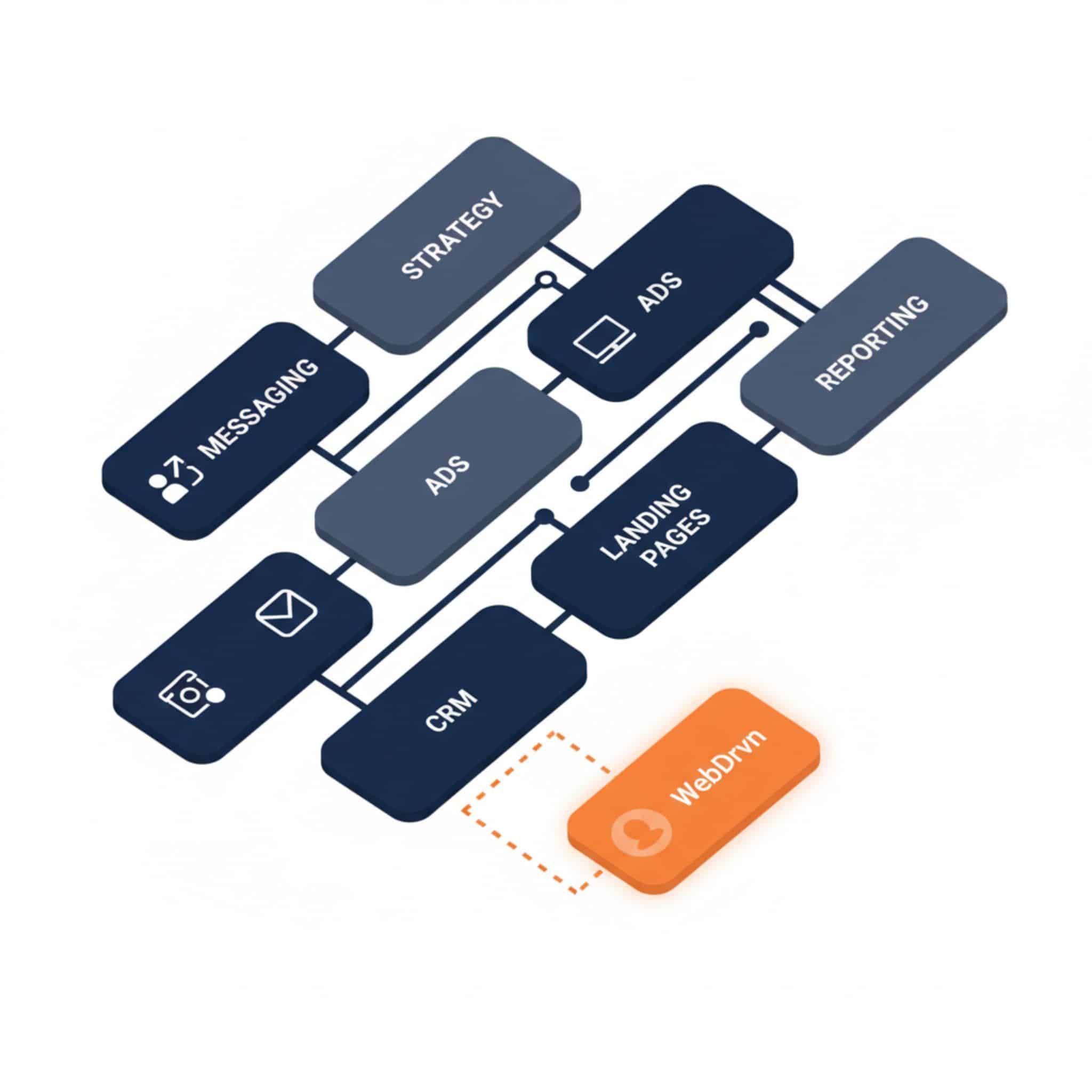
- ICP + account selection → Build a target account list aligned with revenue goals
- Messaging + creative → Segment-based or account-level positioning that resonates
- Conversion experiences → Landing pages and funnels designed to convert buying committees
- CRM + automation → Track influence, attribution, and pipeline acceleration
- Reporting that matters → Engagement → meetings → pipeline → closed-won outcomes
🔹 Want an ABM Readiness Audit?
At WebDrvn, we help teams build an account-based marketing strategy that drives real pipeline—not vanity metrics. If you have a defined ICP and want to win higher-value accounts, let's map out your ABM plan.